
.png)


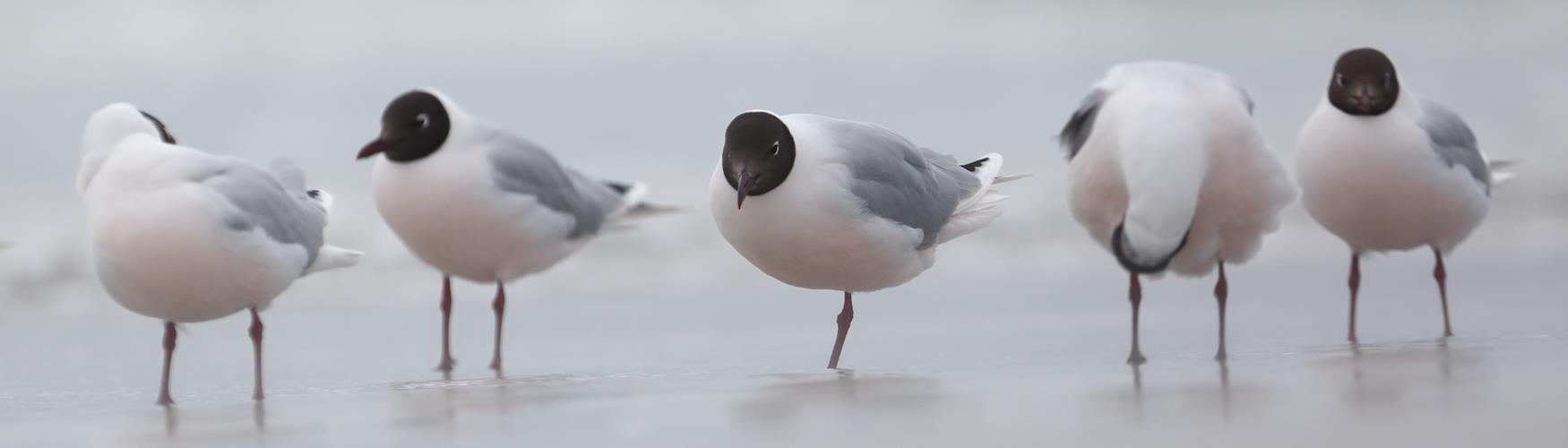
.jpg) Across the Falkland Islands there are many and varied birding opportunities. The Islands are home to some of the largest colonies of birds of both rare and enchanting species. Key species, besides the ubiquitous penguins, include albatrosses, shearwaters and petrels, geese, the inquisitive striated caracara and three endemic species – Cobb’s wren, Falklands Flightless Steamer duck and Tussac bird.
Across the Falkland Islands there are many and varied birding opportunities. The Islands are home to some of the largest colonies of birds of both rare and enchanting species. Key species, besides the ubiquitous penguins, include albatrosses, shearwaters and petrels, geese, the inquisitive striated caracara and three endemic species – Cobb’s wren, Falklands Flightless Steamer duck and Tussac bird.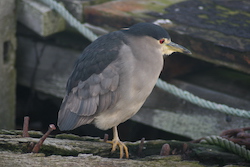
.jpg) Iconic black-browed albatrosses breed around the archipelago – over 70% of the world’s population can be found here - but are most numerous on the Jason Island group, which is a stopping point for some expedition vessels. Visiting in the summer months, these spectacular birds have an amazing wing-span of 210 – 250 cm (7 – 8 ft) and produce fluffy, grey young, frequently nesting in association with Rockhopper penguins. Magnificent in flight, clumsy when landing but elegant in appearance, the albatross is a stunning photographic study.
Iconic black-browed albatrosses breed around the archipelago – over 70% of the world’s population can be found here - but are most numerous on the Jason Island group, which is a stopping point for some expedition vessels. Visiting in the summer months, these spectacular birds have an amazing wing-span of 210 – 250 cm (7 – 8 ft) and produce fluffy, grey young, frequently nesting in association with Rockhopper penguins. Magnificent in flight, clumsy when landing but elegant in appearance, the albatross is a stunning photographic study.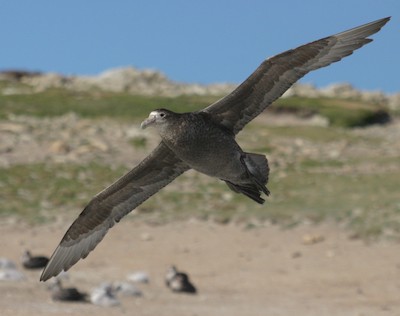
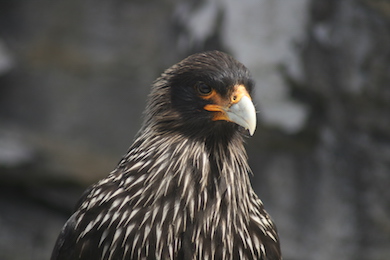 The striking southern caracara has colourful plumage but it’s the inquisitive nature of the striated caracara that will bring this bird to your attention!
Number of results:
Number of results: 28
, currently showing 1 to 20.


Seal Bay
Seal Bay is located on the north coast of Port Louis, the original capital of the Falkland Islands. We have miles of rugged cliffs and white sand beaches which are home to rockhopper, macaroni, gentoo and magellanic penguins along with the…
Carcass Island
Carcass Island
Named after HMS Carcass which visited in the late 18th century, Carcass Island is located in the northwest of the Falklands archipelago. The terrain is varied with rocky ridges, steep cliffs, open plains, white sand beaches and pretty coves.
Murrell Farm
East Falkland
The Murrrell Farm is located close to Stanley, the Islands’ capital, and is a short journey by road. It is a working farm with sheep and cattle. It is run in a traditional way with butter made from farm produce and peat cut by hand to heat to the…
Bull Point
East Falkland
Situated at the southern end of East Falkland on North Arm Farm, the area can only be reached by an off-road journey. Bull Point is an Important Bird Area, a global standard set by Birdlife International, and has an amazing amount of wildlife.…
Paloma Beach
Port San Carlos, East Falkland
Situated on Smylie’s Farm in the northeast of East Falkland, Paloma Beach is a beautiful stretch of white sand and home to a variety of wildlife. Gentoo and Magellanic penguins breed here and many other sea and shore birds can be seen. Close by is…
Little Creek Farm
Elephant Beach, East Falkland
Little Creek Farm is situated in the north-eastern area of East Falkland. The settlement is an idyllic location close to Elephant Beach Pond with birdlife including South American terns. Barn owls inhabit settlement buildings.
West Point Island
West Point Island
Originally named Albatross Island, West Point Island is located off the north-west tip of West Falkland and is home to black-browed albatross amongst other birds. The terrain is varied, consisting of dramatic sandstone cliffs, falling away to low…
George and Barren Islands
George and Barren Islands
George and Barren Islands lie at the southern entrance to Falkland Sound, the channel of water dividing East and West Falkland. The terrain is low-lying with several ponds and many sheltered, sandy coves.
Jason Islands
Jason Islands
The Jason Island group is named after a survey vessel, HMS Jason and located in the extreme northwest of the Falklands peninsula. This rocky-ridged chain of islands boasts breathtaking scenery and amazing wildlife.
New Island
New Island
New Island is situated at the west of the Falklands’ archipelago. The terrain is varied with spectacular cliffs, white sand beaches and secret coves, rugged hills and some small open plains.
Weddell Island
Weddell Island
Named after a British explorer, Weddell Island is located towards the southwest of the archipelago. It is the largest offshore island and has widely varying terrain from open plains to rocky hills, white sand beaches to sheltered coves.
Whalebone Display
Stanley
Located on Dairy Paddock Road, this display of whale skeletons has been created by anti-whaling campaigner Mike Butcher to show the full magnificence of these animals.
New Haven
East Falkland
Ferries travel from New Haven on East Falkland to Port Howard on the West. Travel time from Stanley is around two hours, from Darwin and Goose Green around half an hour. Operated by “Workboat Services”, the ferry service transports vehicles and foot…
Sea Lion Island
Sea Lion Island
Located in the southeast of the archipelago, Sea Lion Island is recognised under the Ramsar Convention. The terrain is mainly low lying but with spectacular cliffs at the southern end. Tussac grass proliferates, providing the perfect habitat for a…
Bleaker Island
Bleaker Island
First called Long Island, then Breaker Island after the large waves the crash against it, Bleaker Island has more in common with its former names than that of the present day. Located in the southeast of the archipelago, the terrain is low-lying…
Volunteer Point
East Falkland
Named after the ship, the Volunteer, Volunteer Point is part of Johnson’s Harbour Farm and located in the northeast of East Falkland. Accessible by road and then overland vehicle journey. The peninsula boasts a stunning, long, white sand beach and…
Cape Dolphin
East Falkland
Located on the northern tip of East Falkland, the Cape Dolphin peninsula is reached by off-road track from the Cape Dolphin Farm buildings. Named after HMS Dolphin, the ship of British explorer John Byron, the area is a working farm with sheep bred…
Saunders Island
Saunders Island
Named after 18th century British Admiral and site of the first British settlement in the Falklands, Saunders is located in the northwest of the archipelago. Port Egmont was built in 1765 and vestiges of this early settlement can be seen, a short…
Gypsy Cove
East Falkland
At just 6.5 km (4 miles) from Stanley, Gypsy Cove is the most accessible wildlife site from the capital city. It is part of the Cape Pembroke peninsula which is a National Nature Reserve. The small bay with its white sand beach is sheltered from…
Pebble Island
Pebble Island
Named for the attractive, unusual pebbles found on some of the beaches, Pebble Island is situated in the northwest of the archipelago. The terrain is varied with a chain of rocky peaks, a lakeland area and white sand beaches including the stunning…